Kidney Cancer Treatment in Lucknow: keeping the kidney wherever it is safe
Most kidney cancers are found by chance on a scan, while still small. At the clinic, Dr. Anshuman Singh reviews your scans and kidney function, explains whether the tumour can be removed with the kidney kept, and plans surgery, watching or other treatment with you and your family.
Medically reviewed by Dr. Anshuman Singh, M.S., M.Ch. Urology (Gold Medalist), Uro-Oncologist & Robotic Surgeon
Book a consultation
See Dr. Anshuman Singh at the clinic
An unhurried one-to-one discussion with Dr. Anshuman Singh, with your family welcome, so that you understand every option before you decide. Clinic OPD Mon–Fri: 6–9 PM, Uro-Onco Connect, Gomti Nagar.
- Simple bookingSend a request online, or call the clinic.
- Quick replyThe clinic team calls back within 3 hours.
- PrivateYour details and reports are kept confidential.
- +91-9559776664Call or WhatsApp the clinic
Request a consultation
Send a request; the clinic will call you to fix the time.
Loading…
Understanding the condition
Kidney lumps and kidney cancer
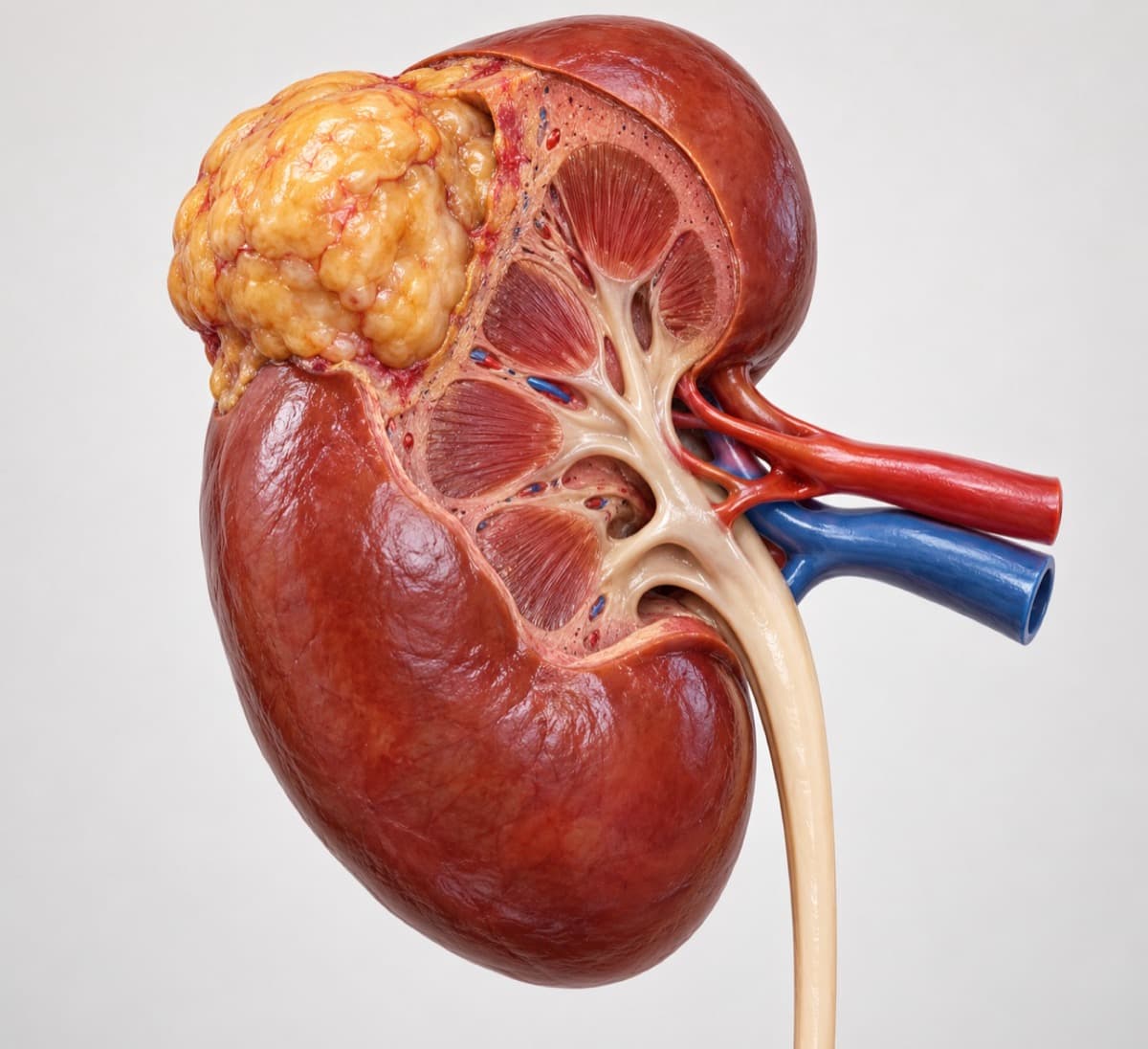
The kidneys filter the blood and make urine. A lump in the kidney may be a harmless cyst, a slow-growing benign tumour or a cancer. The commonest kidney cancer is renal cell carcinoma, which grows in the kidney tissue itself.
Cancer that begins in the lining of the kidney’s drainage channel or in the ureter is a different disease with its own treatment. It is explained under upper tract cancer in the Cancer Pathway guides.
When to see a doctor
Signs that need a check
- A kidney lump or growth reported on an ultrasound or CT scan, even if you feel well.
- Blood in the urine, whether once or repeatedly.
- A lasting ache or lump in the side or back, unexplained weight loss, fever or tiredness.
- A family history of kidney cancer, or an inherited condition such as von Hippel-Lindau disease.
Diagnosis
How the clinic works up a kidney tumour
- Scan review
- Your CT or MRI is read for the size, position and features of the tumour, and for any sign of spread. Good-quality images from your own scan centre are welcome.
- Kidney function
- Blood tests show how well both kidneys work. This is central to deciding how much kidney can be removed safely.
- Biopsy, if it will change the plan
- A needle biopsy is not routine. It is used when the diagnosis is unclear, or before treatments that do not remove the tumour.
- A clear explanation
- The findings, the likely type, and the choices open to you are explained to you and your family in plain language.
Treatment
The treatments, and when each is used
- Partial nephrectomy
- Only the tumour and a rim of healthy tissue are removed, and the rest of the kidney is repaired and kept. It is preferred wherever it can be done safely, because it protects long-term kidney function. It can be done by robotic or open surgery.
- Radical nephrectomy
- The whole kidney is removed, usually when the tumour is large, in a position that cannot be treated safely with a partial operation, or has entered the kidney vein. One healthy kidney is enough for normal life.
- Watching or ablation
- Selected small tumours, especially in older patients or those with other illnesses, can be watched with regular scans or destroyed with heat or cold through the skin.
- Medicines for advanced cancer
- Immunotherapy and targeted tablets control cancer that has spread. They are planned with a medical oncologist, and the clinic helps you understand the options and the side effects.
The operation
What to expect around surgery
- Before
- Blood tests, an anaesthetic check, and a talk about the type of operation, the risks and what recovery looks like. Medicines such as blood thinners are reviewed in advance.
- During
- Minimally invasive or Robotic Surgery uses small cuts. Open surgery is used when needed, for example for very large tumours or tumours extending into a vein.
- After
- A hospital stay of a few days is usual, with early walking, pain control and a check of kidney function. Most people return to light activity within weeks, with heavy lifting avoided for longer.
- The report
- The removed tumour is examined. The report gives its type, grade and whether the edge is clear, and it sets how closely you are followed.
Long term
Protecting the kidneys, and follow-up
- Keep blood pressure and blood sugar well controlled, since they are the main threats to kidney function.
- Drink enough fluid, and avoid regular, unnecessary painkillers such as diclofenac or ibuprofen unless advised.
- Scans and blood tests at regular intervals, often every six months in the first years, then yearly. The schedule depends on your risk after surgery.
- Report new blood in the urine, a lump or pain in the side, or unexplained weight loss promptly.
Cancer Pathways
For structured, stage-wise information on what to expect, what to discuss with your treating Uro-Oncologist or Urologist, and the key decisions involved at each stage, please visit the Cancer Pathway section of this website.
Explore Cancer Pathways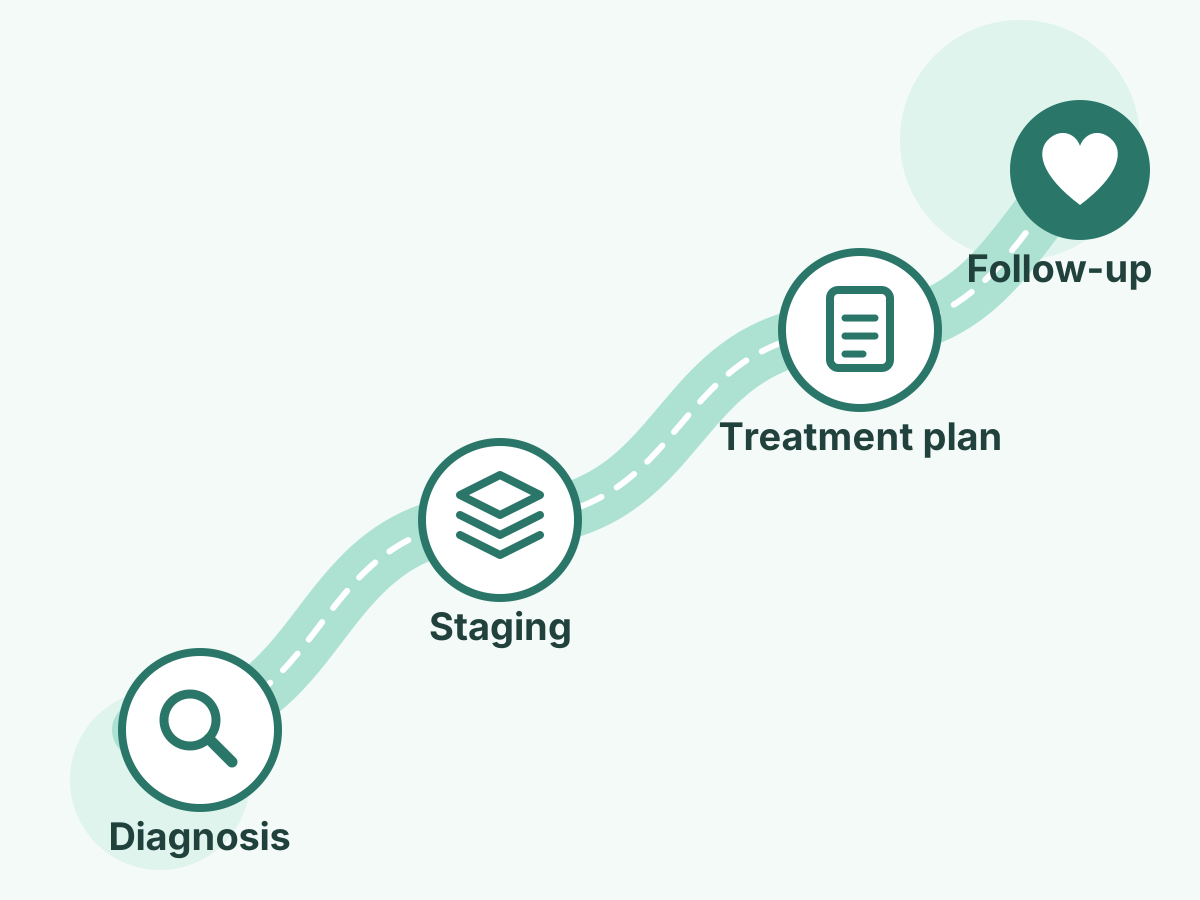
Meet the doctor
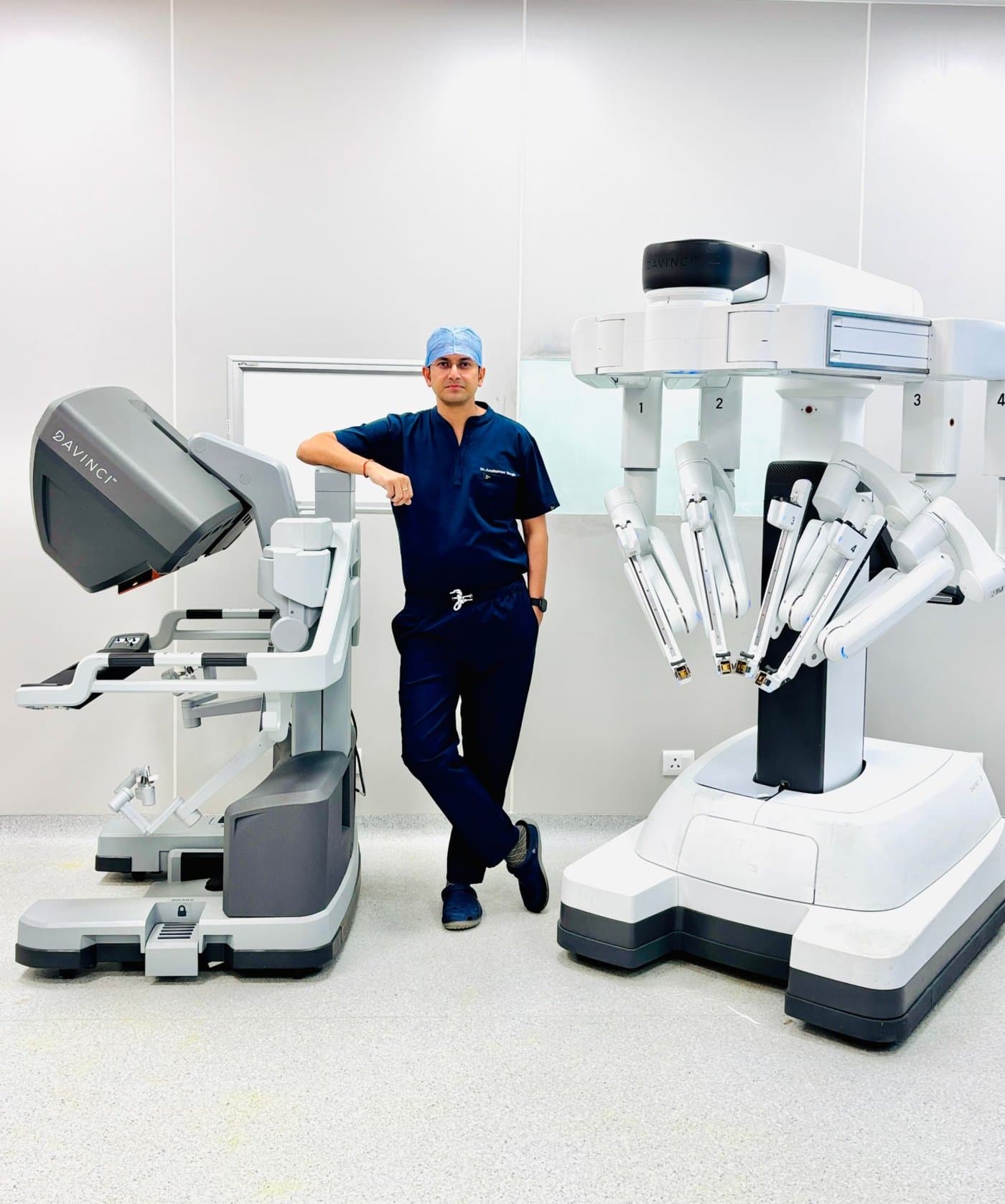
Dr. Anshuman Singh
Uro-Oncologist and Robotic Surgeon, with a practice devoted entirely to cancers of the kidney, bladder, prostate, testis and penis.
Qualifications and training
- M.B.B.S.GSVM Medical College, Kanpur
- M.S. General SurgeryKing George's Medical University, Lucknow
- M.Ch. Urology (Gold Medalist)Kasturba Medical College, Manipal
- Fellowship in Uro-Oncology & Robotic SurgeryFellowship-certified by the Urological Society of India · Medanta, Gurugram
- Visiting Fellow, Robotic Uro-OncologyFundació Puigvert, Barcelona, Spain · EAU-sponsored training stay, Jan–Feb 2024
- Clinical Observer, Robotic Pelvic OncologyUniversity College London Hospitals, London, U.K.
- Evidence-based decisionsEach option is weighed against current guidelines and discussed openly, stage by stage.
- Robotic Surgery where it helpsMinimally invasive and robotic approaches for complex cancers that need precision and organ preservation.
- Quality of life mattersCancer control comes first, with equal attention to continence, sexual function and kidney health.
- Time to decideIndividual plans made through unhurried consultations, so you can choose with confidence.
Dr. Singh's personal website: urooncologist-lucknow.com
Common questions
Frequently asked questions
Can't find your question? Call or message the clinic, or see all questions.
Yes. Many are found by chance on a scan done for another reason. This is why a lump seen on an ultrasound should always be followed up.
From the blog
Plain-language articles on urological cancers
Prostate Cancer
Erections After Prostate Cancer Surgery: What Is Realistic and What Helps
Erections are almost always weaker after prostate surgery and recover slowly. This guide explains nerve-sparing, the usual timeline, the treatments that help and the questions to ask.
22 Oct 2026
Prostate Cancer
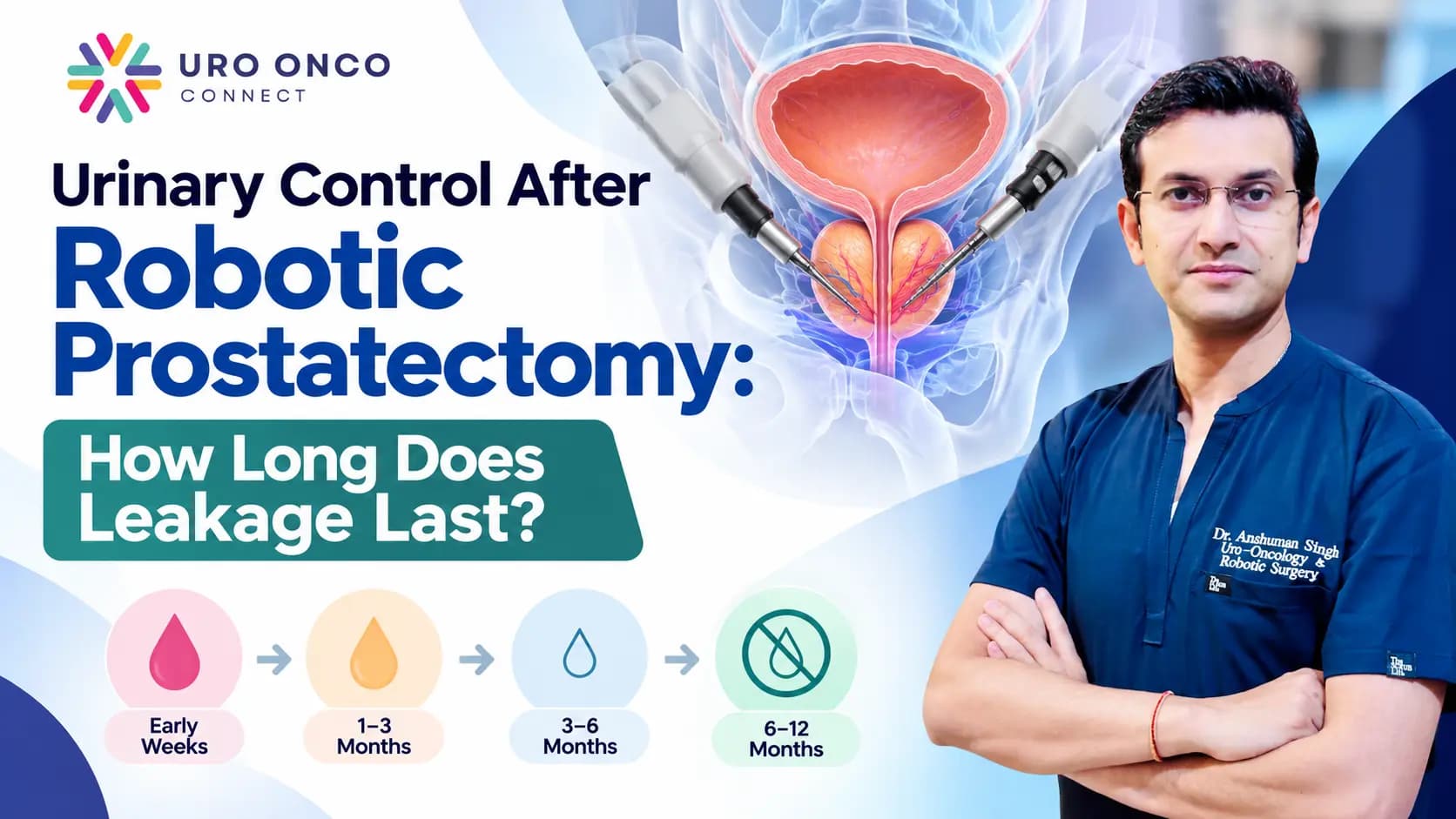
Urinary Control After Robotic Prostatectomy: How Long Does Leakage Last?
Some leakage is expected after prostate surgery, and most men improve steadily over weeks to months. This guide explains the usual timeline, what helps, and when to ask for more help.
21 Oct 2026
Kidney Cancer
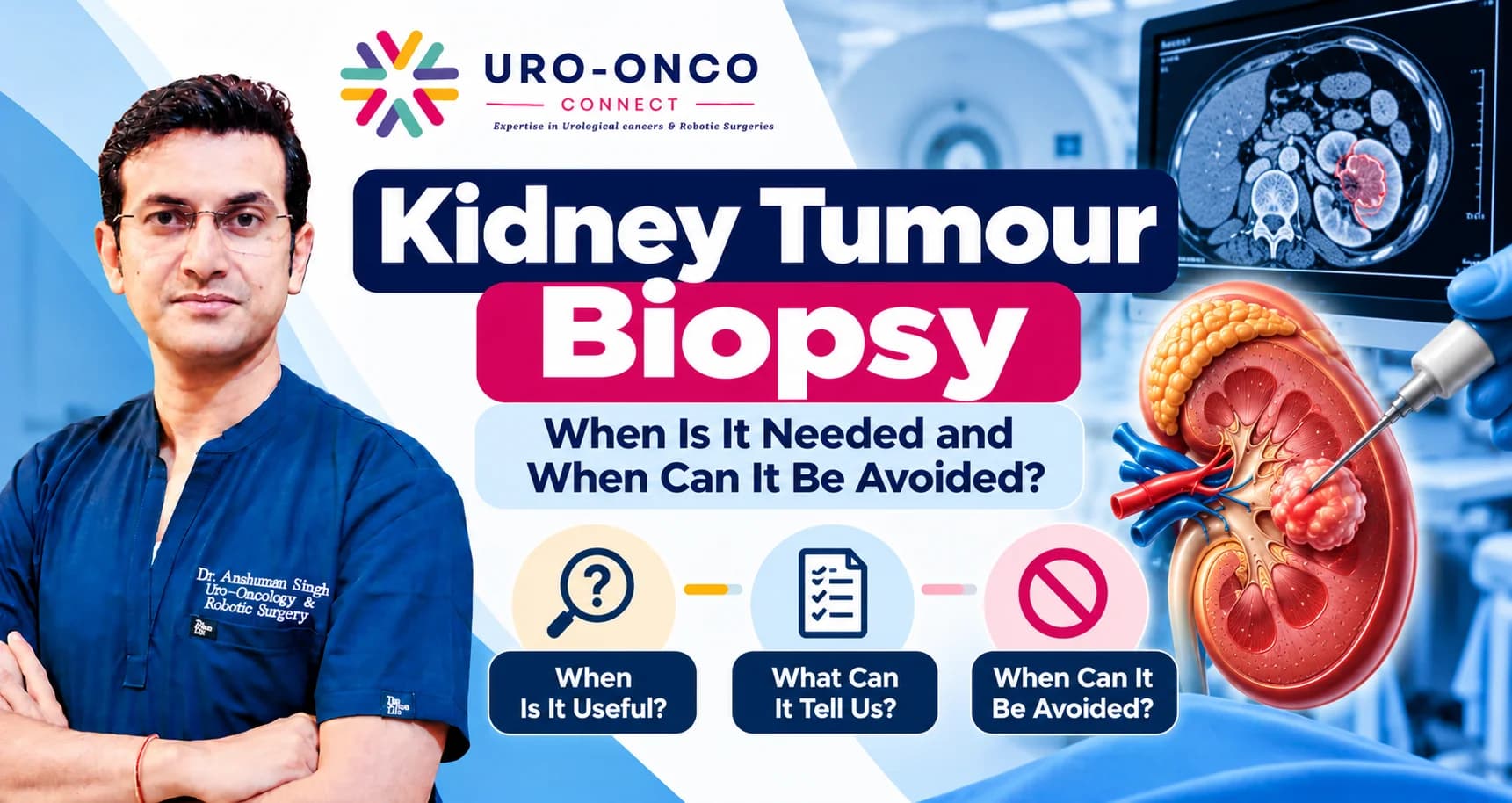
Kidney Tumour Biopsy: When Is It Needed and When Can It Be Avoided?
Does every kidney tumour need a biopsy before treatment? Learn when renal tumour biopsy is useful, when it can be avoided and how it influences kidney cancer treatment.
5 Oct 2026
Patient reviews
What patients and families say
“I would like to express my heartfelt gratitude to Dr. Anshuman Singh for the exceptional care and expertise he provided during my prostate cancer treatment. From the very beginning, Dr. Singh demonstrated an outstanding level of professionalism and compassion.”
Vinod Kumar Bhat
Patient
“Last year on 25th May, 2024, I underwent robotic prostate surgery performed by Dr. Anshuman Singh and I couldn’t be more grateful for the exceptional care and expertise I received. From my very first consultation, Dr. Anshuma took the time to clearly explain my diagnosis, treatment options, and what to expect before, during, and after the surgery. ”
Malik Girish Anand
Patient
“Dr. Anshuman Singh is an extremely expert and caring doctor. Provided accurate diagnosis and consistent consultations throughout prostate treatment at Medanta. His constant availability and attention made the entire process reliable and comforting.”
Radhika Chemicals
Patient
Ready to talk about your diagnosis?
Clinic OPD Mon–Fri: 6–9 PM at Gomti Nagar. Teleconsultation by prior appointment.